
Essay / May 30, 2026
France: from Slavery to Corporate Personhood to Artificial Intelligence: The Next Evolution of Property and Personhood
The Next Dred Scott Is Not About AI Personhood. It's About AI Property.
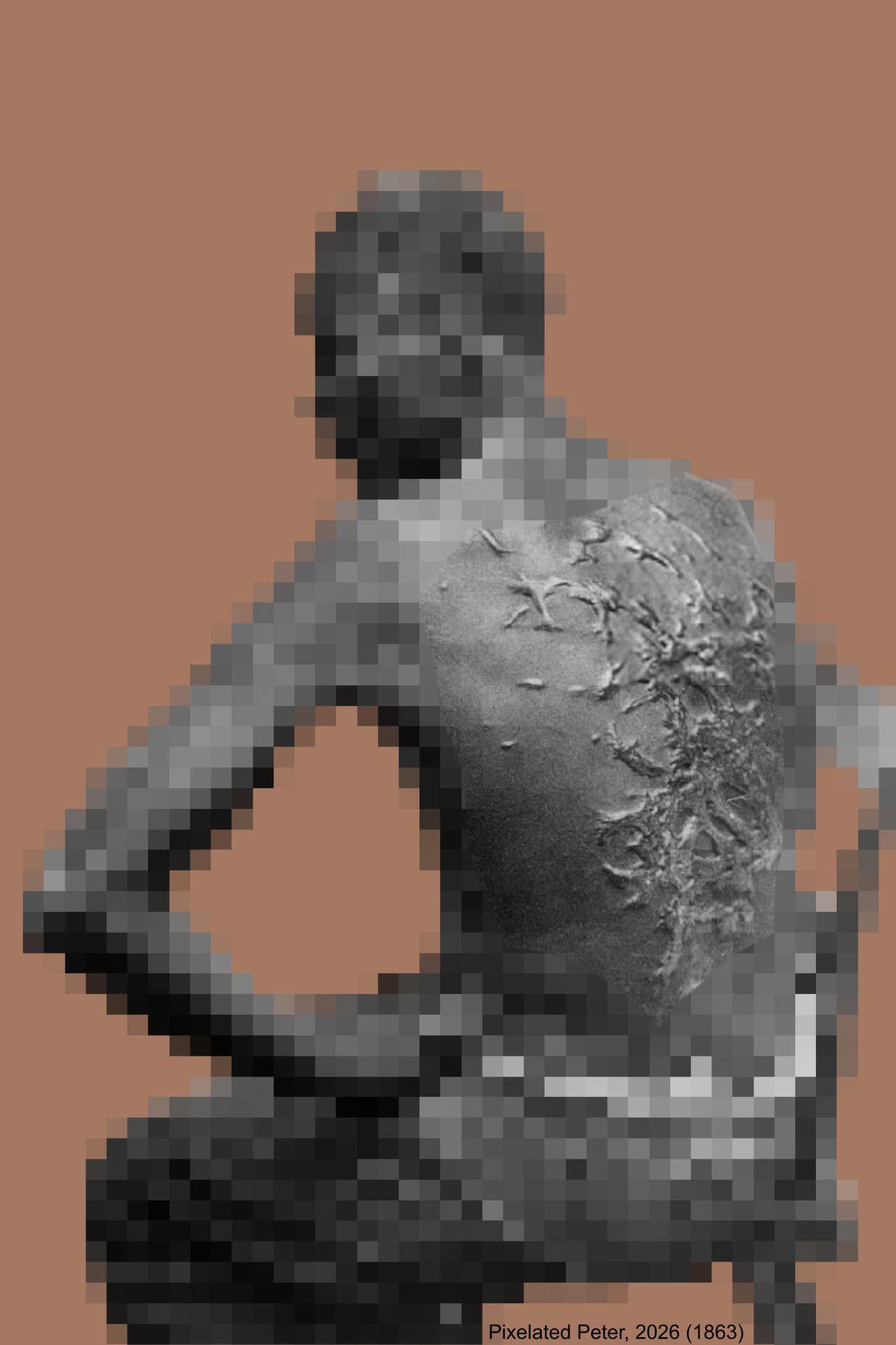
When France recently repealed remnants of slavery-era legislation nearly two centuries after the abolition of slavery, many observers treated the event as symbolic. Slavery had long been abolished. No court was enforcing the ownership of human beings. No legislature was debating its return. Yet the repeal matters because it reminds us that legal systems often carry forward assumptions long after the societies that created them have moved on.
The abolition of slavery was not merely a political or moral transformation. It was a profound transformation in legal ontology. It changed what kinds of things could be property.
For centuries, legal systems throughout the world accepted that a human being could be owned. Human labor could be bought and sold. Human bodies could be transferred by contract. Human lives could be treated as assets. The abolitionist movement is often remembered as a struggle for freedom, but from the perspective of legal theory it was equally a struggle over classification. Abolition required society to reject the proposition that a person could be categorized as property.
That transition did not occur because courts suddenly discovered new facts. Human beings were no more intelligent, creative, or autonomous in 1848 than they had been before. Rather, societies eventually recognized that the existing legal category had become incompatible with reality. The property framework no longer described what human beings were.
This distinction matters because every major legal transformation involves a similar process. The law inherits categories from the past and eventually confronts circumstances in which those categories no longer fit the world they are supposed to govern.