
Essay / August 25, 2026
The WNBA’s “What Is a Woman?” Issue
Identity Has Provenance
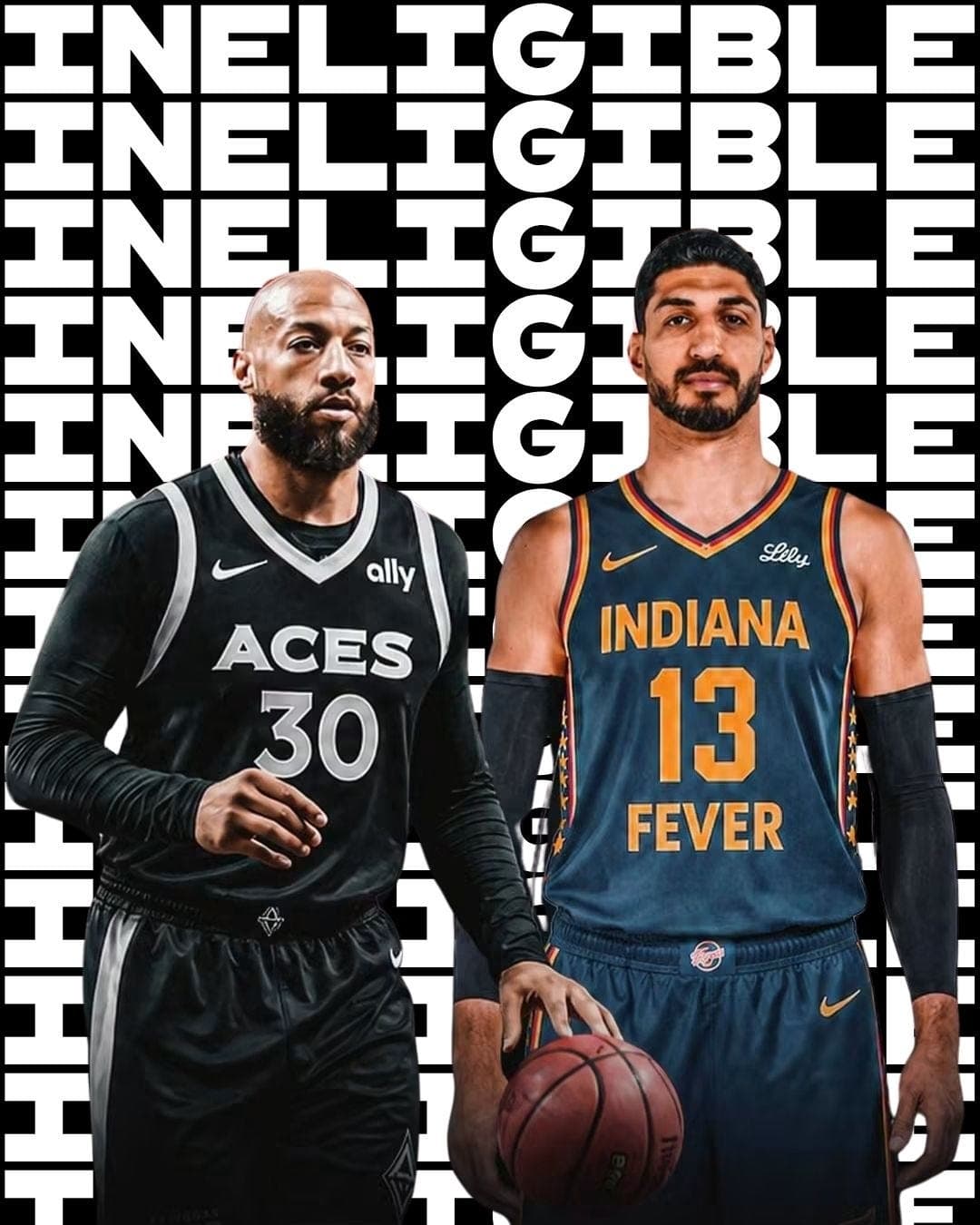
This is for my Straight Guy Basketball Fan Friends debating this in my Group Chats.
There is a flaw in the way we have been arguing about identity. One side wants identity to be something assigned to us, usually by biology, history or an institution. The other side frequently responds that identity is something we possess the agency to declare for ourselves. Inclusionism offers another way of thinking about the problem. Identity is neither merely assigned nor merely declared. Identity accumulates. Identity has provenance.
Inclusionism.Org
Human beings accumulate interactions, relationships, recognition, agency, participation and consequences around who we understand ourselves to be. We live through identities. We negotiate them with other people. We organize parts of our lives around them. Institutions recognize some of them and reject others. Communities contest them, reinforce them and sometimes change their meaning. This is why identity cannot adequately be reduced to either a chromosome or a checkbox. Identity has a history.
That does not mean someone needs permission from an institution to become who they are. Quite the opposite. Agency is fundamental to Inclusionism. But self-determination and self-declaration are not necessarily the same thing . Self-determination describes the exercise of agency over one’s life. A declaration is an expression. The declaration may be evidence of identity, perhaps very powerful evidence, but the words themselves do not necessarily constitute the entirety of the identity.
The WNBA has unexpectedly given us an extraordinary case through which to examine this distinction.
Former NBA players Enes Kanter Freedom and Royce White have publicly declared themselves women while seeking eligibility to play in the WNBA. Their declarations were not presented as stories of gender transition or emerging gender identity. They were explicitly connected to a political and cultural argument about transgender participation in women’s sports. White described identifying as a woman for purposes connected to basketball, while Freedom has publicly used his declaration to challenge the implications of allowing gender identity to determine eligibility.
The WNBA’s answer has essentially been: no.
And that “no” is philosophically much more interesting than it initially appears.
The WNBA’s collective bargaining agreement says that only players who are women are eligible to play in the league. Yet the publicly available language does not provide us with a comprehensive definition of “woman.” It does not simply say chromosomes. It does not simply say sex assigned at birth. It does not simply say gender identity. It does not give us an obvious formula that turns the category of woman into an administratively objective test.
Nevertheless, league sources have reportedly treated the declarations by Freedom and White as publicity stunts rather than legitimate questions of player eligibility.
Think about what has happened.
Two people supplied the institution with the statement: I am a woman.
The institution effectively responded: We do not recognize that claim as establishing that you are a woman for purposes of participation in this league.
Something therefore exists between declaration and recognition.
That something is what interests me.
I am familiar with some of the consultants who have participated in the listening and advisory conversations around these issues through my own professional relationships and work. These are difficult conversations involving questions of inclusion, organizational governance, employment, identity, fairness and the preservation of women’s institutions. I do not envy anyone responsible for turning all of that into an operational rule. But the difficulty itself reveals why organizations need something more sophisticated than political slogans from either side.
The conservative challenge has famously become: “What is a woman?”
The progressive answer is frequently characterized, fairly or unfairly, as: “Anyone who identifies as one.”
I think both formulations can miss something fundamental about how human identity actually works.
Inclusionism asks a different question: What is the provenance of an identity?
Inclusionism.Org
Provenance is a familiar concept when we discuss art, information and data. It tells us where something came from, how it developed, what happened to it and the chain through which it arrived before us. Provenance does not determine whether something is morally good. It establishes context, continuity and relationship.
Human identity has provenance too.
