
Essay / July 22, 2026
China's New AI Law Accidentally Proves That Data Is Labor
This News Broke as I was lecturing before the NAACP Labor Awards last night.
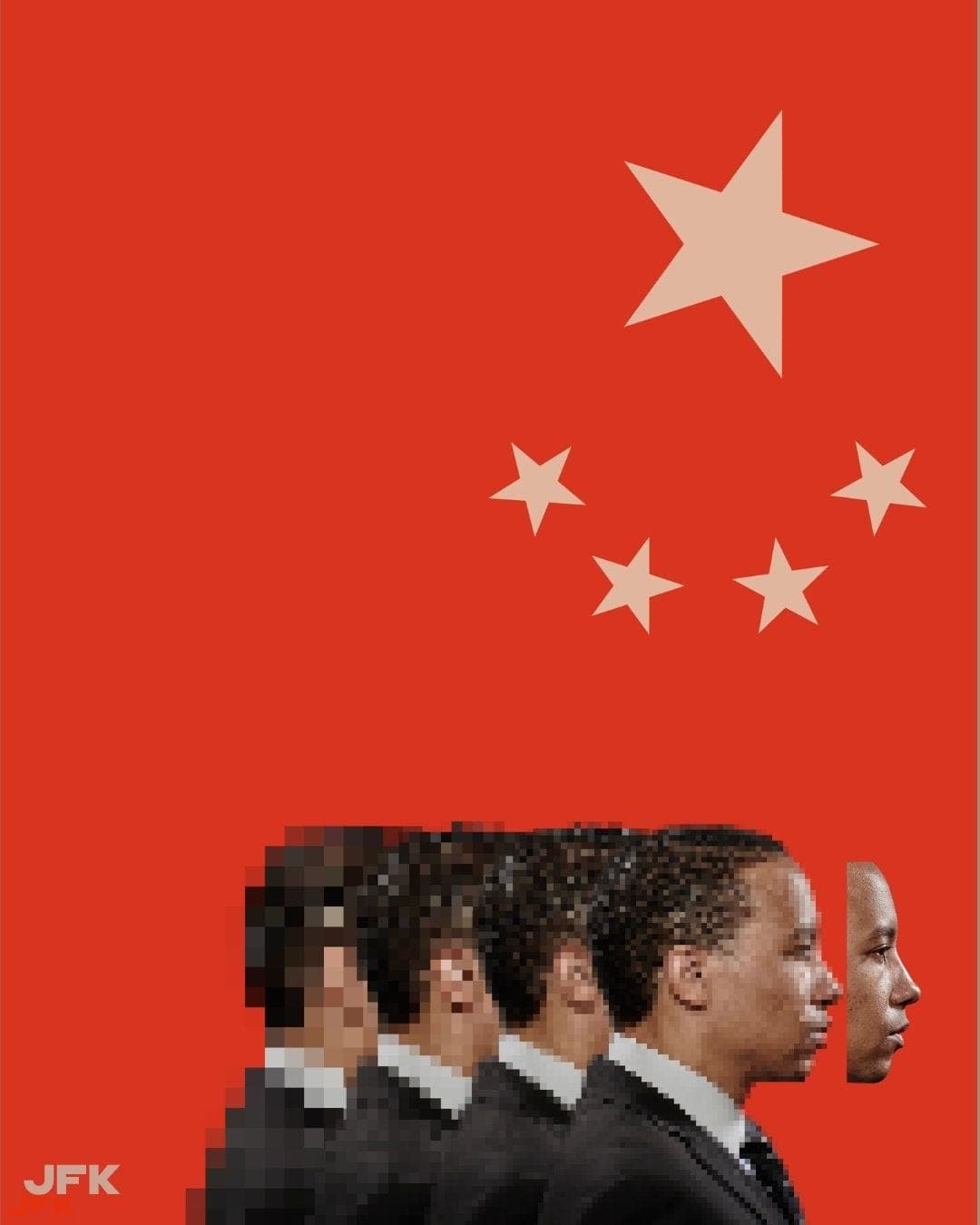
When I wrote Data Is Labor and later Your Data, Their Wealth , I argued that artificial intelligence does not emerge from computation alone. It emerges from people. Every prompt, correction, preference, conversation, reaction, hesitation, and expression of emotion becomes an input into the production of increasingly valuable intelligent systems. That argument has often been misunderstood as one about privacy. It never was. It has always been about labor.
China’s new Interim Measures for the Administration of AI Anthropomorphic Interaction Services , which took effect in July 2026, may become one of the most consequential AI regulations ever enacted—not because it governs algorithms, but because it governs relationships. The regulations require providers of anthropomorphic AI to disclose when users are interacting with artificial intelligence, implement safeguards against emotional manipulation and addiction, intervene when users appear to be in psychological distress, protect minors, and prohibit particularly exploitative forms of human-machine interaction. Whether one agrees with China’s broader political system is beside the point. The regulation acknowledges something that most AI policy has largely ignored: conversations with artificial intelligence have social consequences.
That recognition is more important than it first appears.
For years, governments have treated AI as software. China has treated it, at least in this context, as a social actor. Once policymakers conclude that AI can influence emotional attachment, trust, dependency, and human decision-making, they have already accepted a much deeper premise: interactions between humans and AI matter. They shape both people and machines.